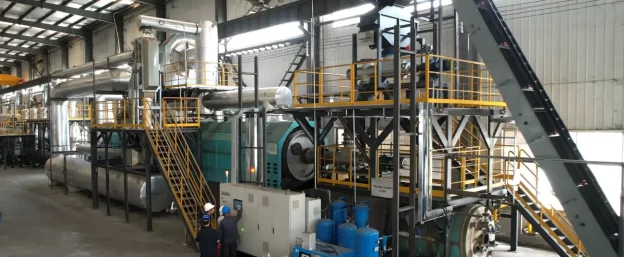
The increasing pressure on waste management systems and the rising demand for alternative energy sources have accelerated interest in pyrolysis technology. A modern pyrolysis plant provides an industrial pathway for converting difficult-to-handle waste streams into valuable secondary resources. Beyond environmental benefits, the economic advantages of this technology make it an attractive investment for businesses seeking long-term operational resilience.
By transforming waste materials into usable outputs such as pyrolysis oil, carbon products, and combustible gas, companies can reduce disposal expenses while creating additional revenue channels. This dual economic effect positions pyrolysis as a strategic solution for industries dealing with plastic waste, end-of-life tires, and other carbon-based materials.
Reducing Waste Disposal Costs and Creating Resource Value
Traditional waste management often relies on landfilling, transportation, and external processing services. These expenses can accumulate rapidly, especially for industries generating large volumes of waste. Investing in a pyrolysis system allows companies to internalize waste treatment processes and reduce dependency on third-party disposal providers.
A pyrolysis oil plant can convert organic waste materials into valuable liquid fuel through controlled thermal decomposition. Instead of paying continuously for waste removal, operators can recover energy resources from materials that were previously considered liabilities. This transition from waste expense to resource generation significantly improves overall cost efficiency.
The recovered products also have commercial applications. Pyrolysis oil can be refined or utilized as an industrial fuel source, while carbon residue can serve as a raw material in various manufacturing sectors. The ability to extract economic value from discarded materials creates a more circular industrial model.
Lower Operational Costs Through Advanced Processing Technology
Modern pyrolysis equipment is designed with improved automation, energy recovery, and process optimization. These advancements help reduce labor requirements and enhance production stability.
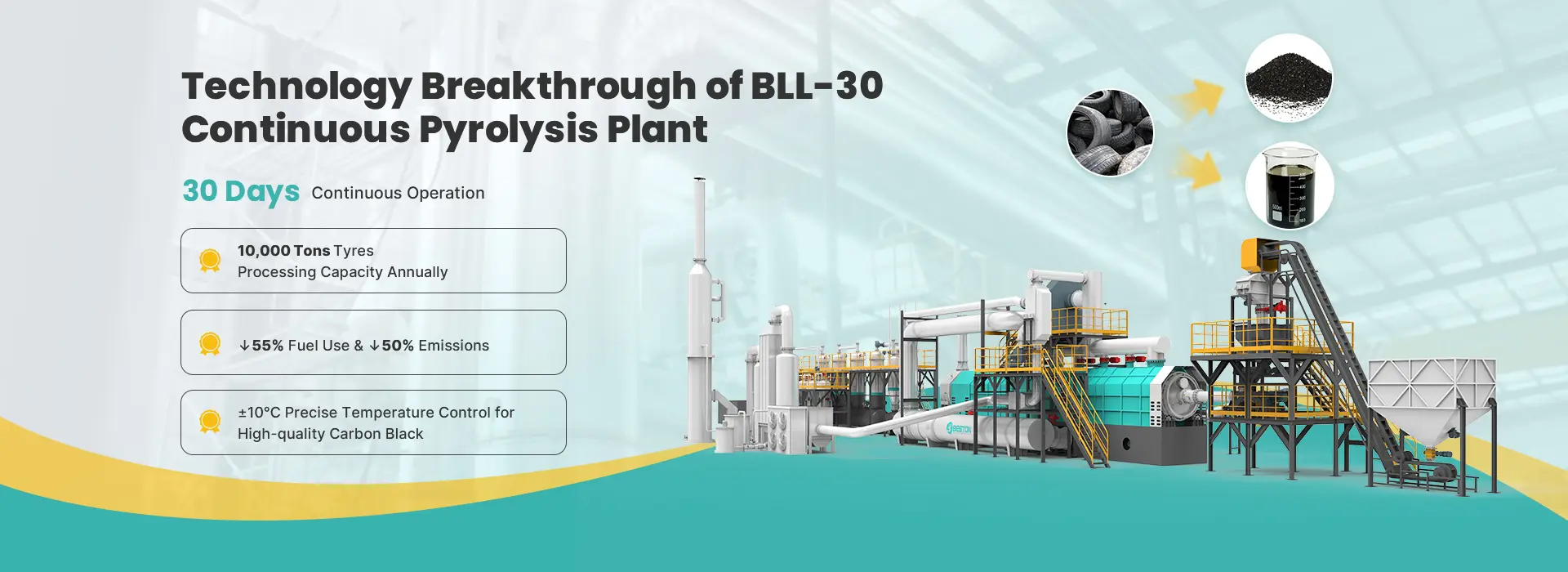
For example, a continuous waste tire pyrolysis plant is engineered for uninterrupted feeding, processing, and discharge operations. Compared with batch-style systems, continuous processing can increase throughput while reducing downtime associated with frequent loading and unloading cycles. This operational consistency allows businesses to achieve higher productivity with better resource utilization.
Energy efficiency is another important economic factor. Advanced systems often recycle combustible gases generated during pyrolysis and reuse them as heating sources for the reactor. This reduces external fuel consumption and lowers long-term operating expenses.
Expanding Revenue Opportunities with Waste-to-Energy Conversion
The economic value of pyrolysis extends beyond waste reduction. It creates opportunities for businesses to participate in emerging waste-to-energy markets.
A plastic into fuel machine demonstrates this potential by converting discarded plastic materials into usable hydrocarbon products. As plastic waste volumes continue to increase globally, companies equipped with this technology can establish profitable recycling operations while supporting resource recovery initiatives.
The flexibility of pyrolysis technology allows facilities to process different feedstocks depending on market conditions. This adaptability provides investors with greater protection against fluctuations in raw material availability and energy prices.

Improving Industrial Sustainability and Market Competitiveness
Companies that adopt advanced waste conversion technologies can strengthen their competitive position. Environmental regulations are becoming increasingly stringent, and businesses that proactively implement sustainable practices may reduce compliance risks and improve corporate reputation.
A thermal desorption unit is another example of specialized thermal processing equipment that supports efficient contaminant removal and resource recovery. These systems are particularly valuable in industries where hazardous or complex waste streams require controlled treatment methods.
By integrating advanced thermal processing solutions, companies can achieve better waste management performance while meeting sustainability objectives. This combination of economic efficiency and environmental responsibility creates a durable business advantage.
Long-Term Investment Benefits
Although the initial investment in a pyrolysis plant requires careful financial planning, the long-term returns can be substantial. Reduced disposal costs, lower energy consumption, and additional product revenue streams contribute to improved profitability over the operational lifespan of the equipment.
Furthermore, the growing demand for recycled materials and alternative fuels provides favorable market conditions for pyrolysis-based businesses. As industries continue shifting toward resource efficiency, waste conversion technologies are expected to play a more prominent role in global manufacturing and energy systems.
Conclusion
Investing in a pyrolysis plant offers significant economic advantages by transforming waste challenges into profitable opportunities. Through reduced disposal expenses, efficient resource recovery, and diversified revenue generation, pyrolysis technology provides a practical pathway for sustainable industrial development.
Whether applied through a pyrolysis oil plant, plastic into fuel machine, thermal desorption unit, or continuous waste tire pyrolysis plant, advanced thermal conversion systems enable businesses to maximize resource value while building stronger economic foundations for the future.